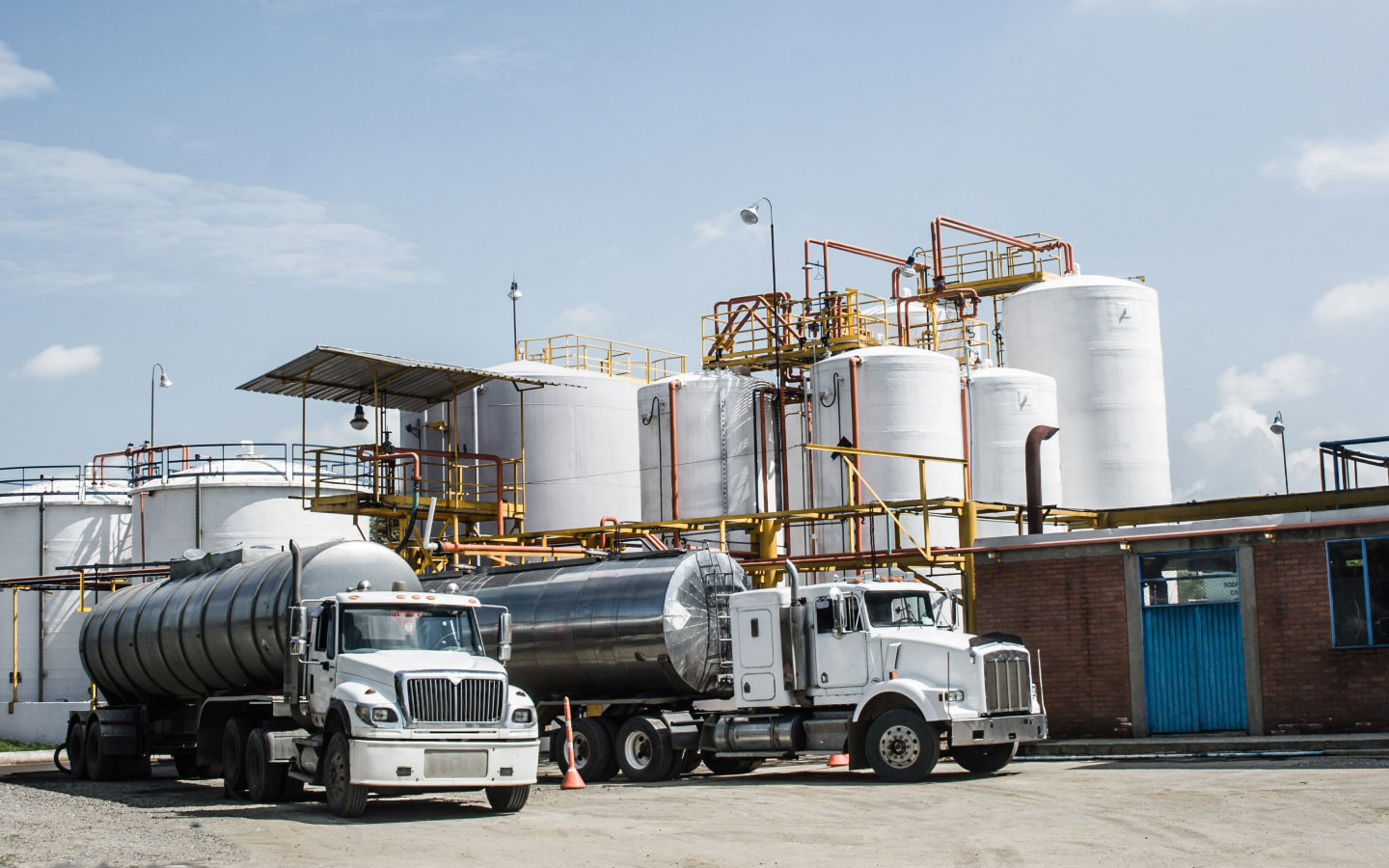
Modern oilfield transportation has evolved significantly over the past decade, driven by advancements in technology https://www.lonestartruckingandoilfieldservices.com/ that improve efficiency, safety, and operational performance. As the oil and gas industry becomes increasingly complex, transportation companies must rely on innovative solutions to ensure that equipment, materials, and resources reach remote drilling sites quickly and safely. From fleet management systems to predictive maintenance, technology is transforming every aspect of oilfield logistics.
One of the most impactful innovations is GPS fleet tracking. Real-time tracking allows dispatchers to monitor the exact location of every vehicle, optimize routes, and respond immediately to unexpected delays. This technology improves delivery accuracy while reducing fuel consumption and unnecessary travel time. Clients also benefit from greater transparency, as they can receive accurate updates on shipment status and estimated arrival times.
Another important advancement is fleet management software. Modern platforms collect data on vehicle performance, fuel usage, driver behavior, and maintenance schedules. By analyzing this information, transportation companies can identify inefficiencies and make informed decisions to improve productivity. Automated reporting also simplifies regulatory compliance and helps reduce administrative workloads.
Predictive maintenance technology has become an essential tool for minimizing downtime. Instead of waiting for equipment to fail, companies use sensors and onboard diagnostics to monitor engine performance, tire pressure, brake systems, and other critical components. When potential issues are detected, maintenance can be scheduled before a breakdown occurs. This approach not only lowers repair costs but also improves vehicle reliability and extends fleet lifespan.
Safety has also improved through advanced driver assistance technologies. Features such as collision warning systems, lane departure alerts, electronic stability control, and fatigue monitoring help reduce the risk of accidents. These technologies provide drivers with additional support, particularly when operating in hazardous oilfield environments where road conditions can be unpredictable.
The integration of telematics has further enhanced operational visibility. Telematics combines GPS, onboard sensors, and wireless communication to transmit real-time vehicle data to fleet managers. This enables better fuel management, driver performance monitoring, and route optimization. Companies can quickly identify areas for improvement and implement strategies that reduce operational costs.
In recent years, artificial intelligence (AI) and data analytics have also begun playing a larger role in oilfield transportation. AI-powered systems can analyze historical traffic patterns, weather forecasts, and delivery schedules to recommend the most efficient routes. Data analytics helps companies forecast maintenance needs, improve resource allocation, and increase overall operational efficiency.
Cloud-based platforms have also streamlined communication between dispatchers, drivers, and customers. Digital documentation, electronic proof of delivery, and mobile applications reduce paperwork while improving accuracy and response times. These systems enable faster decision-making and strengthen collaboration across the supply chain.
Looking ahead, emerging technologies such as autonomous trucking, electric heavy-duty vehicles, and advanced fuel management systems are expected to further reshape the industry. Although widespread adoption may take time, these innovations promise to improve sustainability, reduce operating costs, and enhance transportation reliability.
In conclusion, technology has become the foundation of modern oilfield transportation. Through GPS tracking, telematics, predictive maintenance, AI, and advanced safety systems, transportation companies can operate more efficiently while meeting the growing demands of the oil and gas industry. Businesses that continue investing in technological innovation will be better positioned to remain competitive in an increasingly digital future.