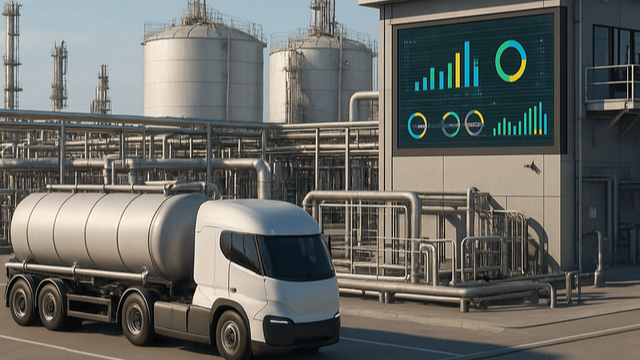
Modern oilfield transportation has evolved significantly over the past decade, driven by rapid advancements in logistics technology and increasing demands from the global energy sector. Today, transporting heavy equipment, drilling components, and oversized cargo https://www.lonestartruckingandoilfieldservices.com/ requires far more than traditional trucking methods. It relies on integrated digital systems, real-time data, and advanced engineering solutions to ensure safety, efficiency, and reliability.
One of the most important developments in oilfield transportation is the use of GPS tracking and telematics systems. These technologies allow logistics operators to monitor the exact location of every vehicle in real time. This visibility improves route planning, enhances delivery accuracy, and enables quick responses to unexpected issues such as road closures or weather disruptions.
Fleet management systems also play a critical role in modern operations. These platforms collect and analyze data from vehicles, including fuel consumption, engine performance, driver behavior, and maintenance needs. By using this data, companies can optimize performance, reduce downtime, and extend the lifespan of their equipment.
Another key innovation is route optimization software. Oilfield transport often involves moving cargo through remote and challenging environments, such as deserts, mountainous regions, or offshore access points. Advanced algorithms help determine the safest and most efficient routes, taking into account road conditions, legal restrictions, and cargo dimensions.
Safety technology has also improved significantly. Load monitoring sensors, automated braking systems, and stability control mechanisms help reduce the risk of accidents during transportation. For oversized and heavy cargo, these systems are essential in maintaining balance and ensuring secure delivery across long distances.
In addition to hardware and software innovations, digital communication systems have transformed coordination between teams. Dispatchers, drivers, and project managers can now communicate instantly through integrated platforms, ensuring smoother operations and faster decision-making.
Companies operating in the energy sector increasingly rely on advanced oilfield logistics solutions to support complex transportation needs. These solutions combine technology, engineering expertise, and specialized equipment to ensure that critical energy infrastructure components are delivered safely and on time.
Predictive maintenance technology is another major advancement in oilfield transportation. By analyzing real-time data from vehicles, companies can predict potential mechanical failures before they occur. This reduces unexpected breakdowns and improves overall operational reliability.
Automation is also beginning to play a role in the industry. While fully autonomous oilfield transport is still developing, semi-automated systems such as driver-assist technologies and automated route adjustments are already improving safety and efficiency.
Environmental monitoring tools are also becoming more common. These systems help companies reduce fuel consumption, optimize routes for lower emissions, and comply with environmental regulations. Sustainability is now a key focus in modern logistics operations, especially in the energy sector.
In conclusion, the technology behind modern oilfield transportation is transforming the way heavy and complex cargo is moved across the globe. Through the integration of digital systems, advanced safety features, and intelligent logistics planning, companies can achieve higher efficiency, improved safety, and more sustainable operations in demanding oilfield environments.